
HARLEM
PORTA POTTY RENTAL
We rent porta potties for events and construction projects in the Harlem area.
HARLEM
PORTA POTTY RENTAL
We rent porta potties for events and construction projects in the Harlem area.

Located in the heart of northern Illinois, the vibrant community of Harlem is renowned for its long history, multicultural population, and friendly environment. The comfort and sanitation of locals and visitors must be prioritized in a location where life is characterized by construction projects, weddings, festivals, and countless other events. This is where Harlem Porta Potty Rental Company comes in, offering a necessary service that satisfies the various requirements of the neighborhood. In this in-depth article, we’ll examine the company’s selection of porta potty options, their value in a variety of contexts, and why Harlem is the best place for this kind of service.
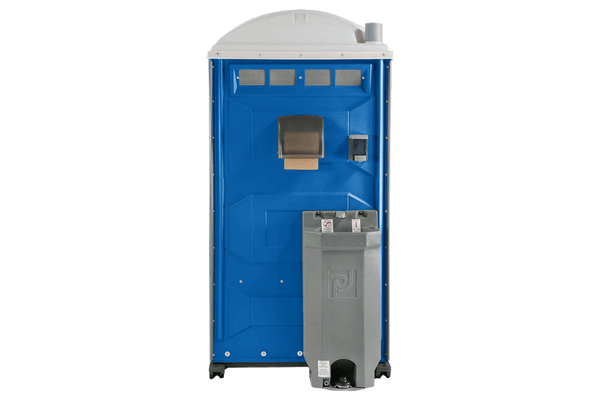
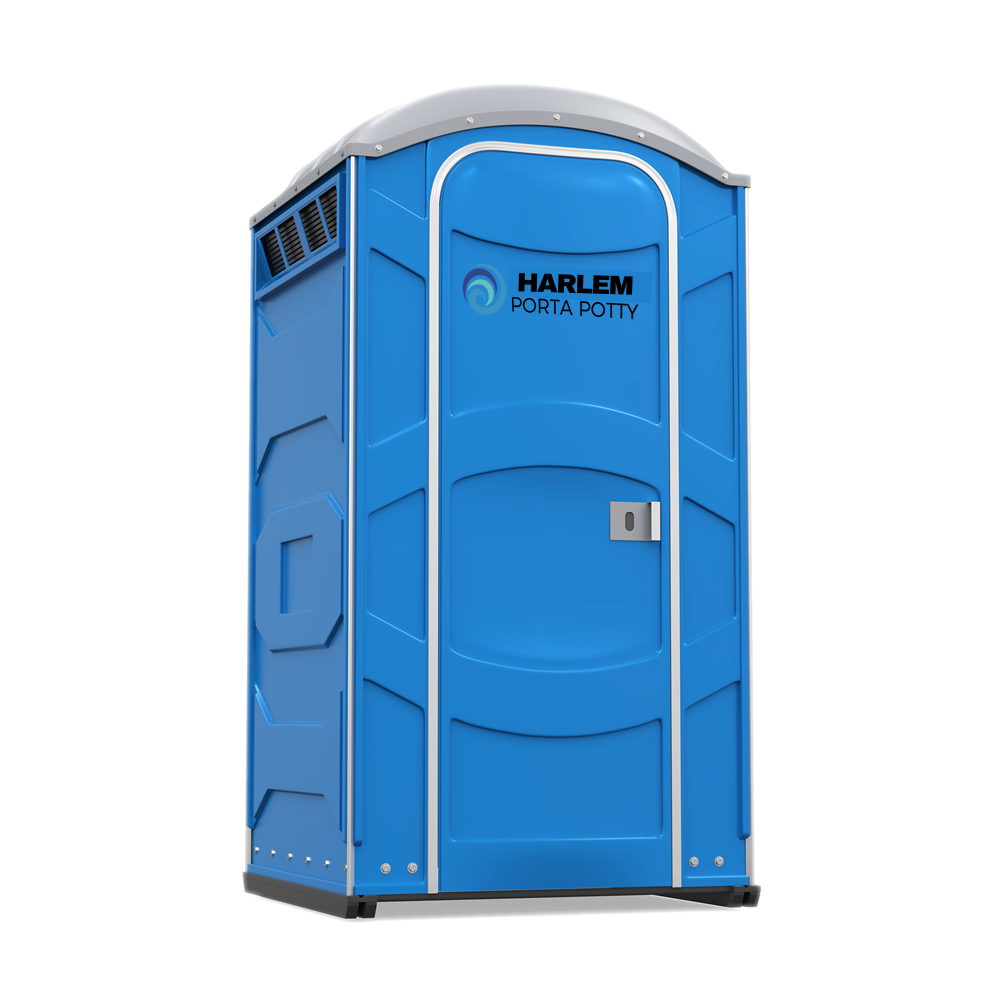
Regular Porta Potties — The basis of portable sanitation solutions are standard porta potties. Each of the regular units available from Harlem Porta Potty Rental Company is furnished with the necessary conveniences for a tidy and comfortable experience. These facilities are perfect for use at construction sites, outdoor gatherings, and other occasions where a straightforward portable restroom will do.
Porta Potties Deluxe — Deluxe porta potties elevate the portable restroom experience by adding comfort and convenience. These large apartments come with conveniences like hand sanitizer dispensers, flushing toilets, and better ventilation. The use of deluxe units, which add a touch of luxury and guarantee that guests have a good time, is ideal for weddings, parties, and upscale events.
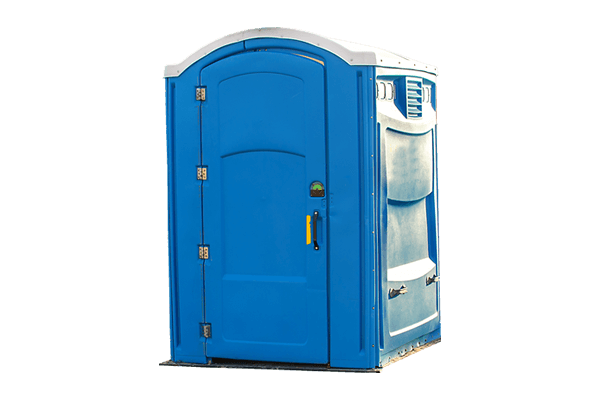
ADA-Compliant Porta Potties — Harlem Porta Potty Rental Company provides handicap accessible porta potties because they value inclusivity. These apartments have wider entrances, handrails, and plenty of interior space to comfortably fit wheelchairs and other mobility aids. Accessibility for everyone is a top priority wherever there is a gathering, be it a public event, a construction site, or anything else.
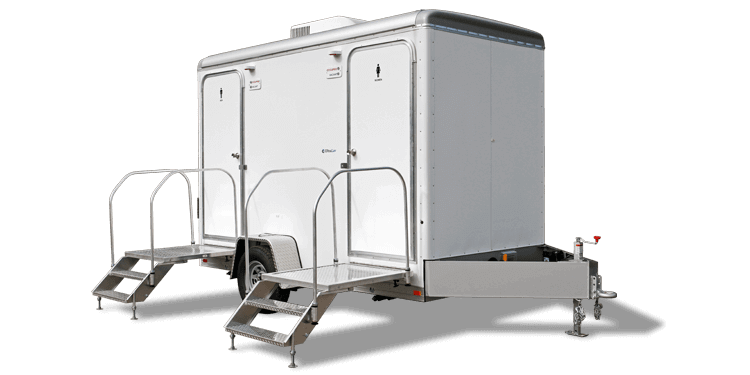
Toilets in a Luxurious Trailer — Harlem Porta Potty Rental Company offers luxury trailer restrooms for occasions that call for the highest standards of opulence and sophistication. The luxurious bathrooms in these units provide all the conveniences of a home bathroom, including porcelain sinks, fashionable fixtures, climate control, and even vanity mirrors. They are the height of opulence and ideal for lavish gatherings like weddings and high-end corporate events.
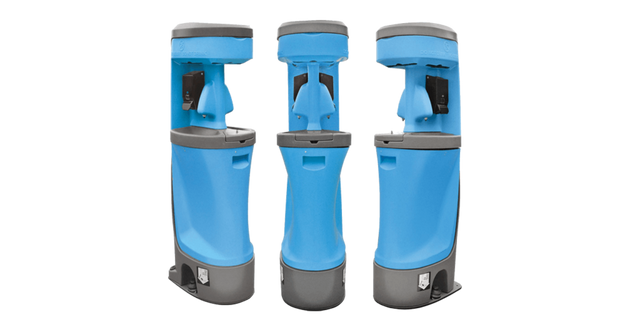
Handwashing Facilities — In today’s society, proper hygiene is especially important. The company’s provided hand washing stations are essential for maintaining the health and safety of both workers and event attendees. At construction sites, festivals, and other events, these stations encourage good hand hygiene by providing fresh, running water and soap dispensers.
Now that we’ve looked at the various porta potty options available from Harlem Porta Potty Rental Company, it’s important to comprehend where and why these services are essential.
Sites of Construction: One of the main industries that benefits from renting porta potties is construction. Portable restrooms are essential because construction sites frequently lack permanent restroom facilities. The two most popular options for porta potties are regular and deluxe, making sure that workers have access to well-maintained facilities all day long. Accessible housing for people with disabilities also contributes to a secure and welcoming workplace.
Events and Weddings: Whether grand or small, weddings and events in Harlem demand careful planning to guarantee guests’ comfort and enjoyment. The company’s deluxe and luxury trailer restrooms are elegant and practical, guaranteeing that visitors have access to hygienic, well-maintained restrooms without forgoing style. Additionally, units that are handicap accessible make sure that everyone who attends can comfortably take in the festivities, regardless of their physical capabilities.
Festivals and Concerts: Like many locations in Illinois, Harlem has a thriving festival and music scene that draws sizable crowds. Access to sanitary facilities is crucial because these events can go on for hours or even days. The festival grounds typically have regular porta potties and hand washing stations so that visitors can maintain their hygiene while at the event. Those looking for more comfort can enjoy a premium experience thanks to luxury trailer restrooms.
Corporate Events: Corporate gatherings are common in Harlem, which has a thriving business community. The requirement for portable restrooms is frequently disregarded, whether it’s for a company picnic, team-building exercise, or product launch. In order to ensure the comfort and convenience of both employees and visitors, Harlem Porta Potty Rental Company offers regular and deluxe units in addition to solutions for corporate events.
Northern Illinois’s Harlem is a thriving neighborhood renowned for its deep cultural heritage, top-notch schools, and strong sense of community. It is a desirable location for a variety of events and activities because of its advantageous location within the Rockford metropolitan area. This vibrant neighborhood is the perfect setting for a porta potty rental service because it hosts numerous public events, corporate gatherings, weddings, and construction projects all year long.
Furthermore, Harlem’s dedication to civic involvement perfectly complements the principles of Harlem Porta Potty Rental Company. These eco-friendly portable restroom solutions not only provide convenience. The business makes sure that waste from these units is handled carefully to reduce its negative effects on the environment.
Harlem Porta Potty Rental Company is essential to ensuring the sanitation and comfort of the locals and visitors in Harlem, Illinois. The company prioritizes comfort and inclusivity with a wide selection of porta potty options, including standard units, luxurious trailer restrooms, and facilities for people with disabilities. Their broad selection of services adapts to the particular requirements of each setting, from construction sites to weddings, concerts, corporate events, and more.
Harlem makes the ideal setting for a porta potty rental service thanks to its rich history and strong sense of community. With its commitment to offering top-notch sanitation solutions, Harlem Porta Potty Rental Company stands as a dependable partner in preserving the success of the neighborhood and the various events that bring people together in this vibrant area of Illinois.







Monday: 6am – 6pm
Tuesday: 6am – 6pm
Wednesday: 6am – 6pm
Thursday: 6am – 6pm
Friday: 6am – 6pm
Saturday: 6am – 6pm
Sunday: Closed